
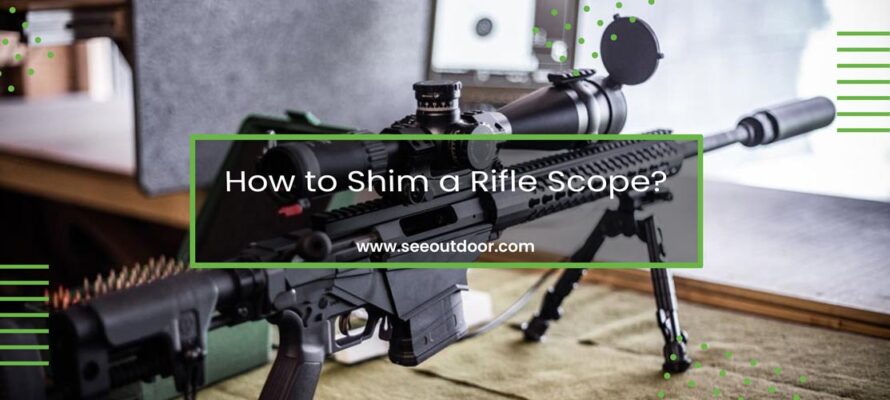
Shimming a rifle scope refers to the process of adding thin, wedge-shaped pieces of material (called shims) to adjust the angle of the scope base or rings. The purpose of shimming is to align the crosshairs of the scope with the bore axis of the rifle.
When a rifle scope is mounted, it should be perfectly aligned with the bore axis of the rifle. This ensures that when you aim the rifle, the bullet will hit where you are aiming. However, sometimes the scope base or rings may not perfectly align with the bore axis, causing the crosshairs to be off-center.
This is where shimming is necessary. But how to shim a rifle scope? Let’s know in detail below.
A Complete Guide to Shim Your Rifle Scope
Follow the below steps to shim your rifle scope.
Step 1: Select a Shim
When out for shooting, experienced shooters always carry some washers and other spare parts to be on the safe side.
Here are some commonly used materials for rifle shims:
- Metal shims: Metal shims are often made of stainless steel or aluminum and are durable and long-lasting. They are typically more expensive than plastic shims.
- Plastic shims: Plastic shims are usually made of high-impact plastic and are easy to work with. They are also less likely to scratch your rifle or scope.
- Cardboard or paper shims: These are the cheapest option and can be made at home using materials you may already have. However, they are less durable than metal or plastic shims and may need to be replaced more frequently.
Regardless of the material used, ensuring that the shim is the correct thickness and size for your scope and rifle is important. Using a shim that is too thick or the wrong size can cause damage to your rifle or scope and affect accuracy.
Step 2: Detach the scope
Here are the general steps for gently detaching a scope:
- Unmount any accessories: If your scope has any accessories attached, such as lens covers or sunshades, remove them before attempting to remove the scope.
- Loosen the scope rings: Using the appropriate tools, loosen the screws on the scope rings to release the tension holding the scope in place. Be sure to only loosen the screws enough to release the scope and avoid removing them completely.
- Lift the scope off the rifle: Once the screws are loose, gently lift the scope off the rifle. Be careful not to twist or rotate the scope as you lift it, as this can cause the scope rings to scratch or dent the scope.
- Check for any damage: After removing the scope, inspect both the scope and the rifle for any damage. Look for any scratches, dents, or other signs of wear and tear.
It's important to note that removing and reattaching a scope can affect accuracy, so it's a good idea to re-zero your rifle after reattaching the scope.
Step 3: Install shims
Decide whether to lift the front or back of the scope. First, take a single at a time. Remember, we're attempting to keep the rifle safe so it does not damage.
Step 4: Reposition the Scope
You should now cautiously put your scope back within the rings. Don't move it around or wrongly place the shim. Continue to secure the rings down after the scope is in position. To achieve the ideal placement and avoid damaging the scope, adjust carefully.
Throughout the tightening procedure, you should ensure the scope is restricted. The scope will slip if it is not correctly tightened.
Step 5: Level Your Scope
If you followed standard practice and packed a level in your baggage, you should double-check to ensure the scope is level after reattaching. Perfectly level and evenly space the shim upon that shim and the rings. You should modify the shim or adjust the scope to prevent wiggling.
Step 6: Restore the Bolt
It's time to reinstall the bolt after all the essentials have been set with the scope. After installing the bolt, you should fire the bolt a couple of times while the gun is empty of ammo. Verify all the features to ensure they are all operating as they should.
Step 7: Refocus Your Sight
Your zero will probably not be there because inserting shims will change your scope. Determine the distances from the middle after firing three bullets at a target or well-known point. Reload after making any necessary adjustments to elevation and windage. Your shim application was proper if you can focus your sight.
Should You Seem Your Rifle Scope?
Shimming a rifle scope can be an effective way to adjust the point of impact of the bullets when the scope's adjustment range is insufficient to compensate for the distance or windage. However, shimming should be used as a last resort, and a few factors should be considered before doing so.
First, ensure the scope is mounted correctly and securely to the rifle. If the scope is not properly mounted, shimming will not solve the problem.
Second, try adjusting the scope's internal windage and elevation adjustments before shimming. Modern scopes have a wide range of internal adjustments that can compensate for most distance or windage issues. If you have exhausted the scope's internal adjustments and are still experiencing issues, then you can think of shimming.
Finally, when shimming a scope, it's important to use high-quality shims. Low-quality shims can affect the rifle's accuracy and cause problems down the line.
In short, shim your rifle scope only when you have implemented all other options for adjusting the point of impact of your bullets. If you decide to shim your scope, use high-quality shims and take your time to ensure that the scope is mounted correctly and securely.
Final Words
It's really important to understand how to shim a rifle. It can be helpful when there is no other way to put your shots on aim. Those of you who fire air guns may also find it useful. However, never shim your scope when it's not mandatory.
 What Does 4-16×50 Mean on a Scope?
 How to Fix a Tent Zipper?
 How Does a Rifle Scope Work?
 How to Fold a Popup Tent: A Step-by-Step Guide
 What is Parallax Adjustment in a Rifle Scope?